
BAZI KNOWLEDGE
Bazi knowledge, explained with clear boundaries
Explore reviewed guides to Four Pillars, the Five Elements, true solar time, and responsible use of adjacent cultural traditions.
 Bazi Basics
What Is Bazi?
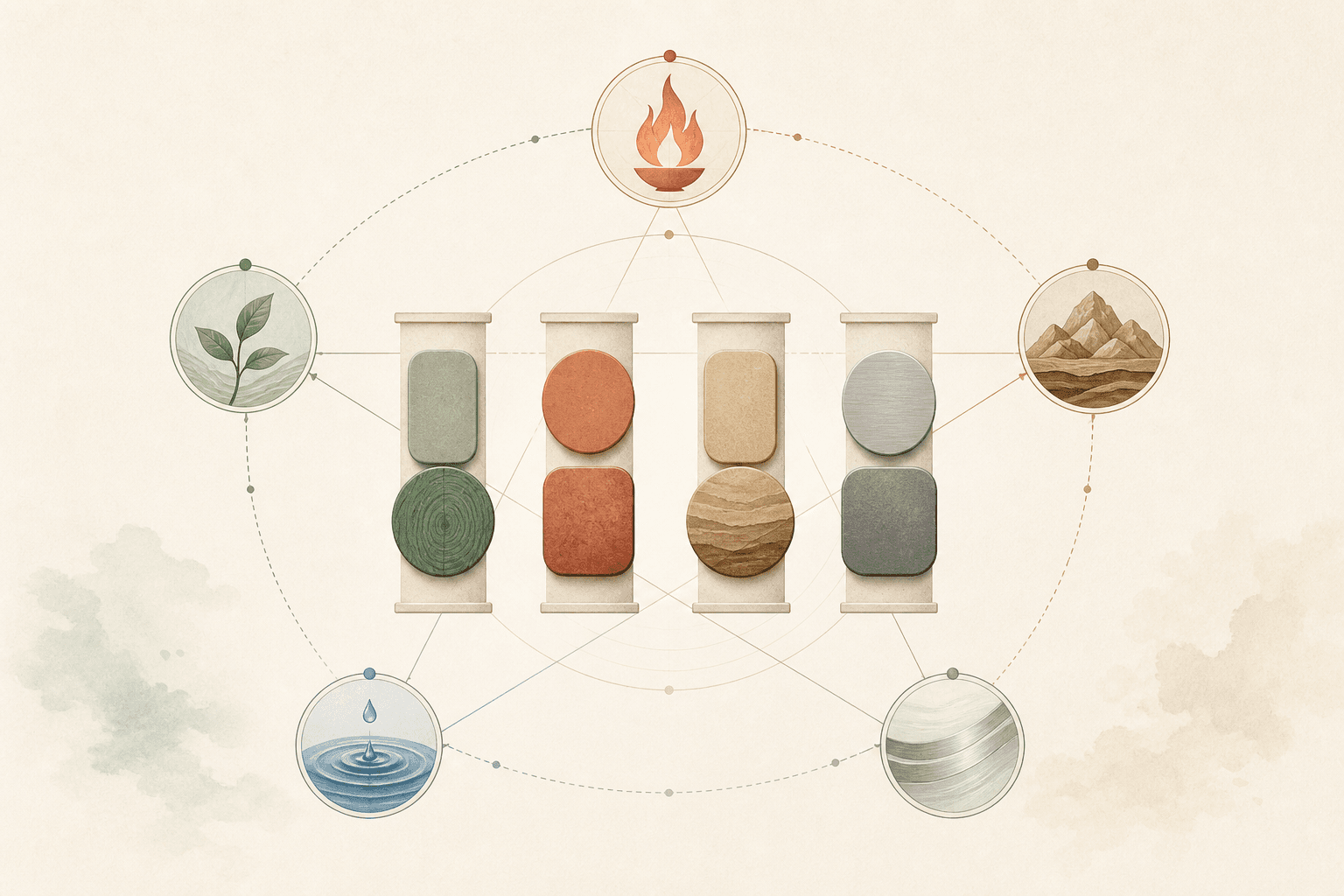
Learn what Bazi is, how its Four Pillars are built, and how the Five Elements, Day Master, Ten Gods, luck cycles, and annual influences fit together.
 Bazi Basics
True Solar Time in Bazi Chart Calculation
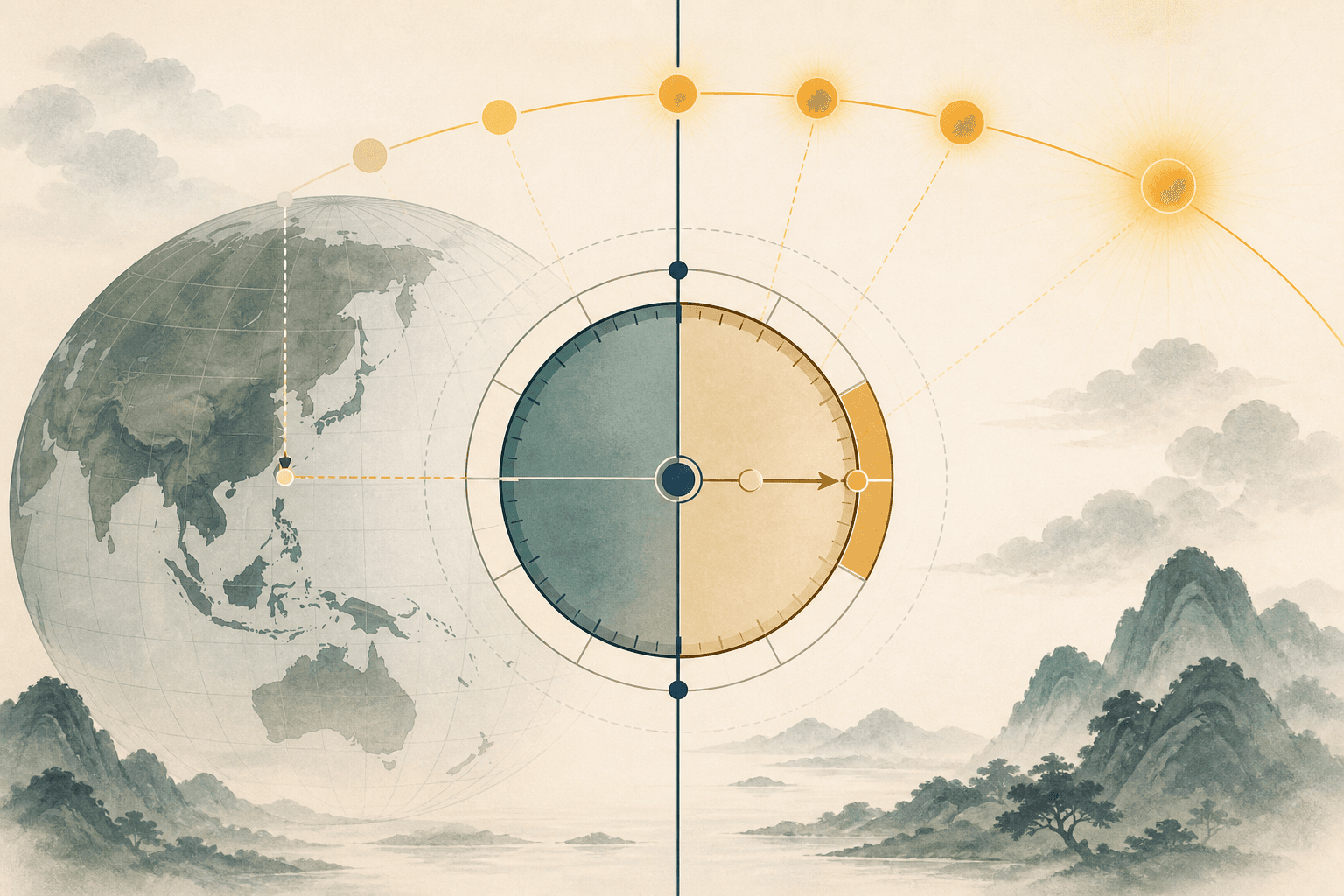
True solar time corrects standard time for birthplace longitude and the equation of time. A Bazi chart changes only when that correction crosses an hour or day boundary.
 Five Elements
Bazi And The Five Elements
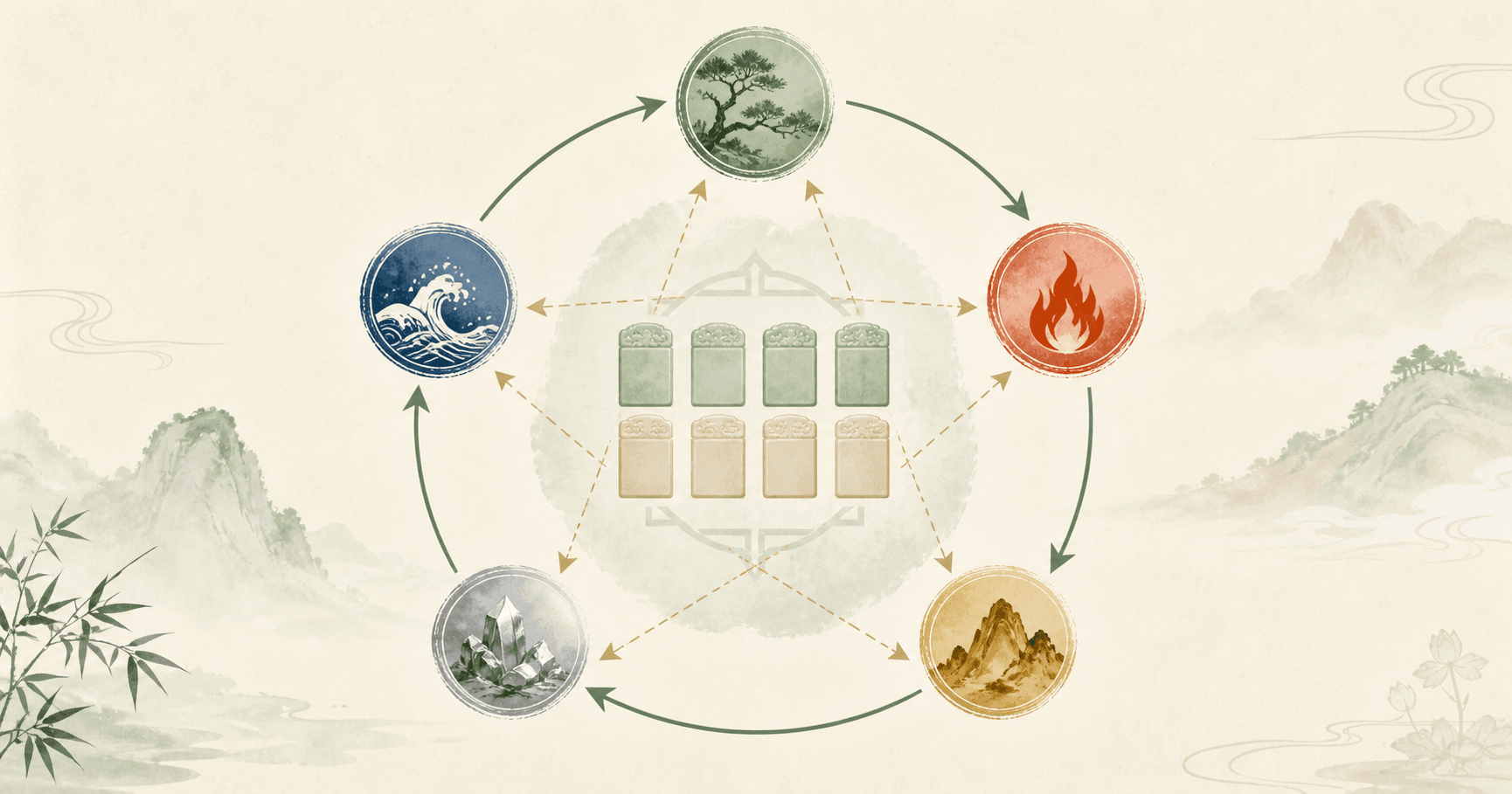
A Bazi chart is built from Four Pillars, while the Five Elements provide the language for reading stems, branches, the Day Master, Ten Gods, strength, and luck cycles.
 Bazi Basics
What Are the Ten Gods in Bazi?
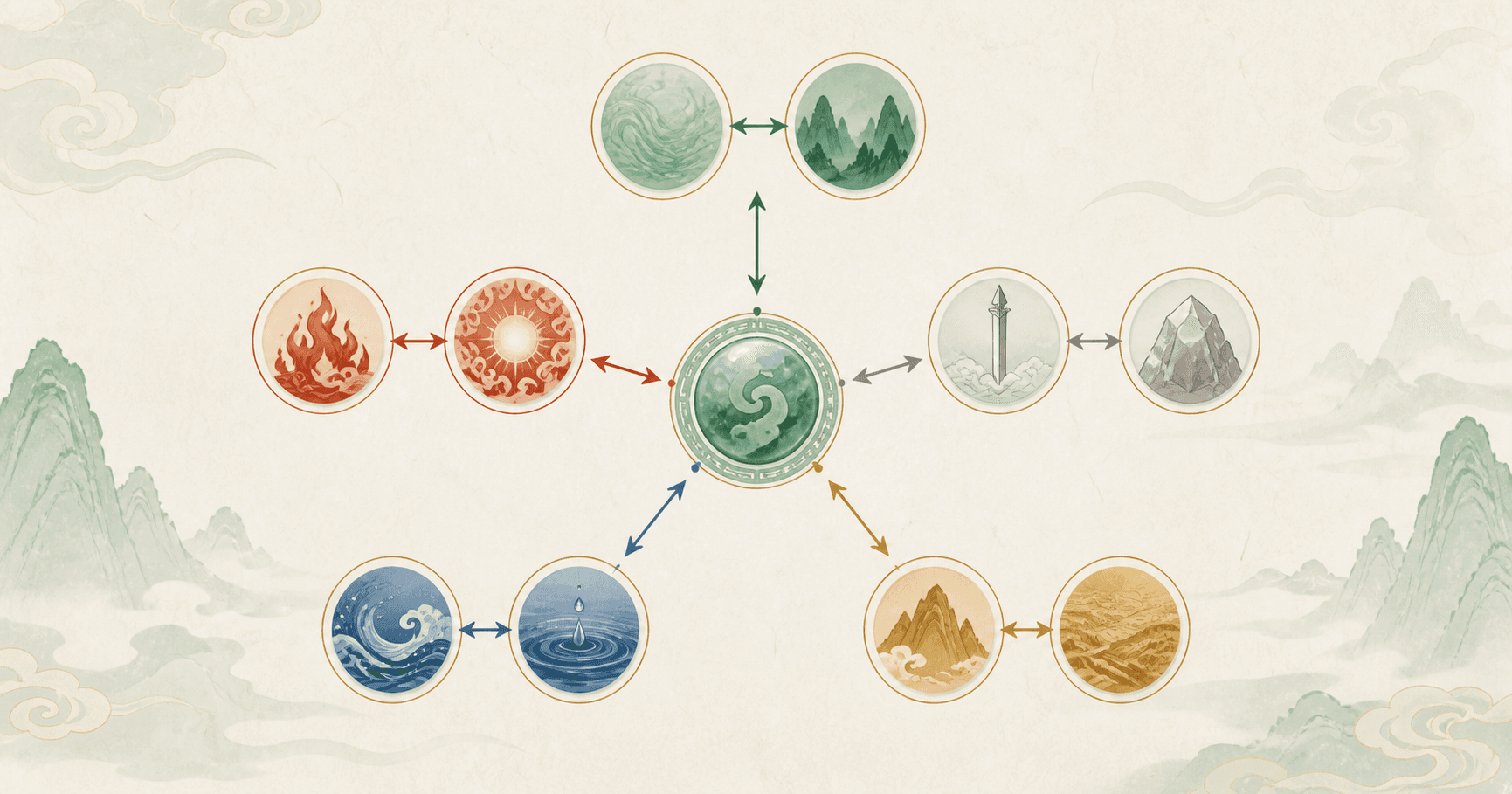
The Ten Gods classify stems and branches around the Day Master through Five-Element interaction and yin-yang polarity.
 Fortune Telling Knowledge
How to Choose a Fortune-Telling Website
Evaluate calculation quality, explanatory evidence, privacy protection, and pricing transparency before choosing a fortune-telling website.
 Feng Shui
Feng Shui Basics
Understand Feng Shui through qi, yin-yang, the Five Elements, direction, light, airflow, circulation, and function.
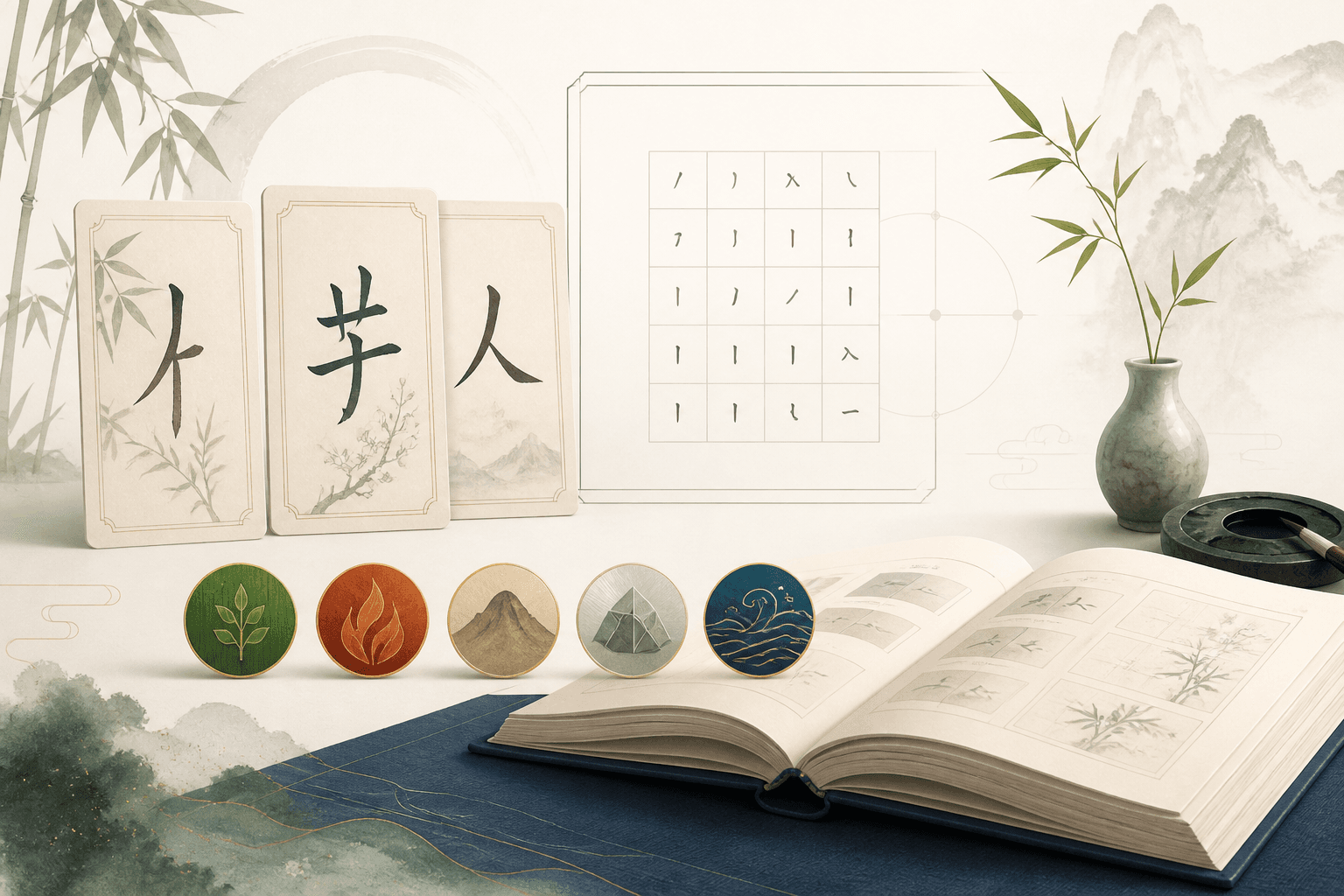 Names And Naming
What Is Name Fortune Telling?
Learn how stroke counts, Five Grids, element associations, and name scores differ—and where their practical limits lie.
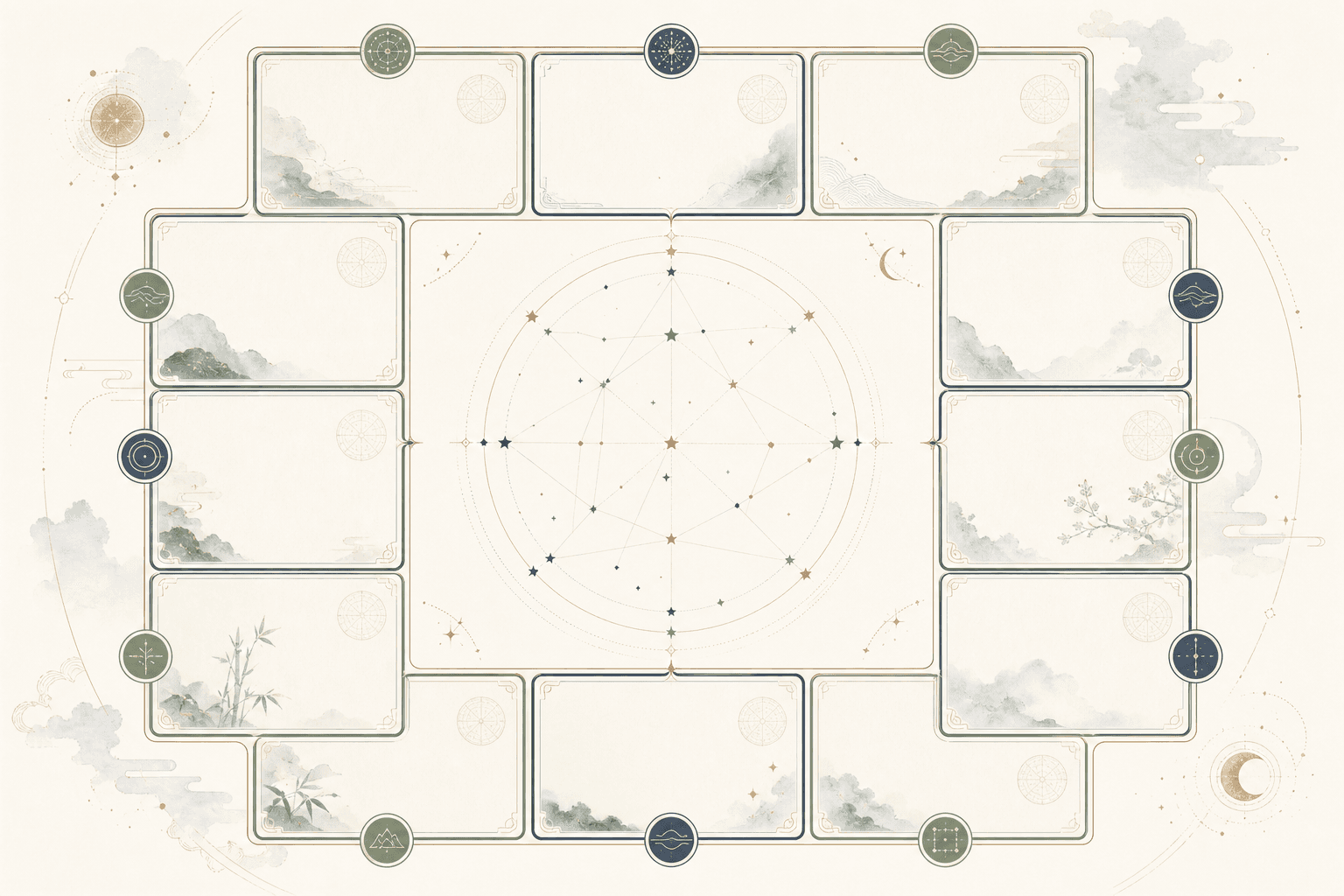 Zi Wei Dou Shu
Zi Wei Dou Shu Birth Chart Explained
Understand the Twelve Palaces, fourteen major stars, Four Transformations, and a practical reading order.
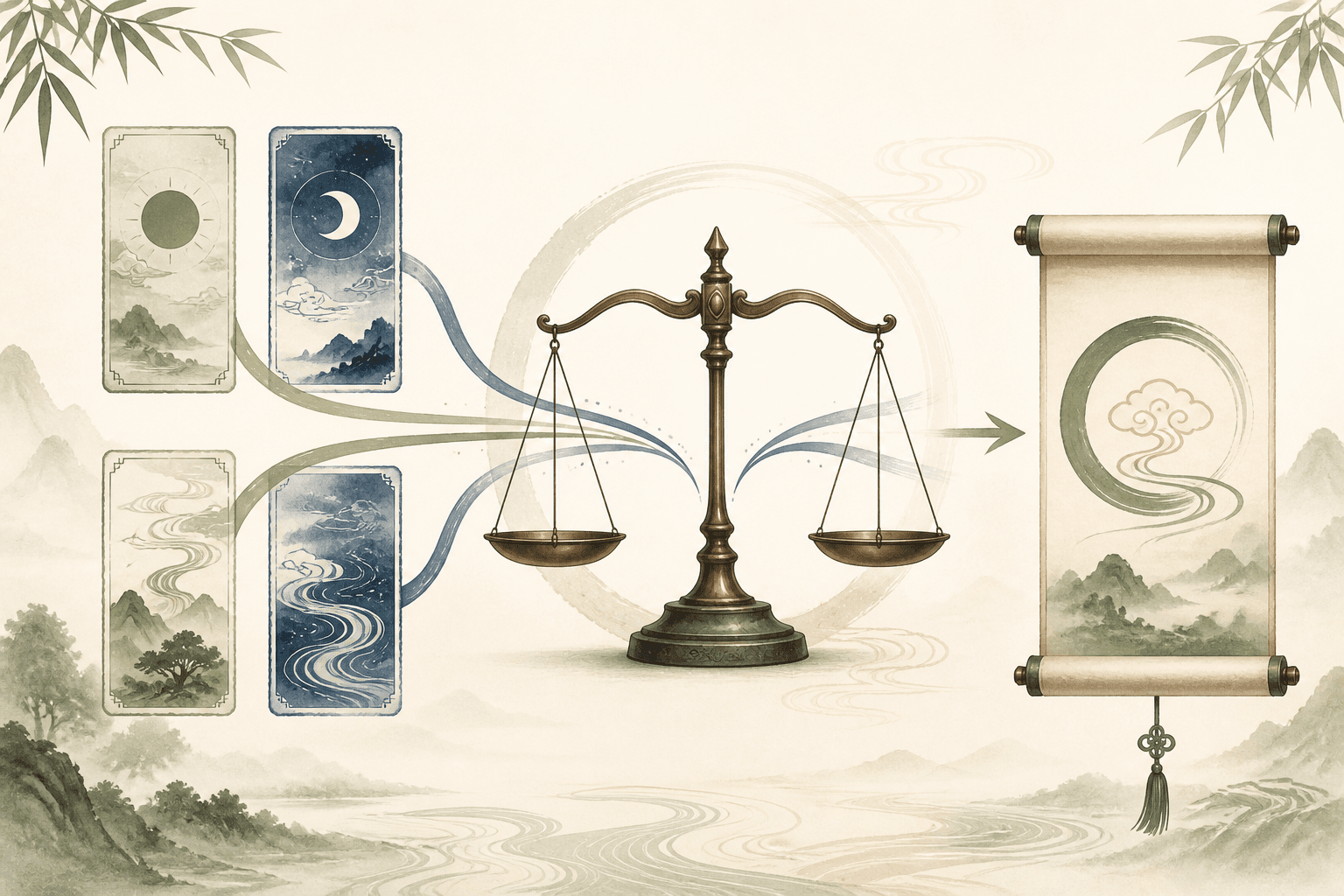 Fortune Telling Knowledge
Bone Weight Fortune Telling Explained
Learn how Bone Weight Fortune Telling converts birth year, month, day, and hour into symbolic weights and a traditional verse.
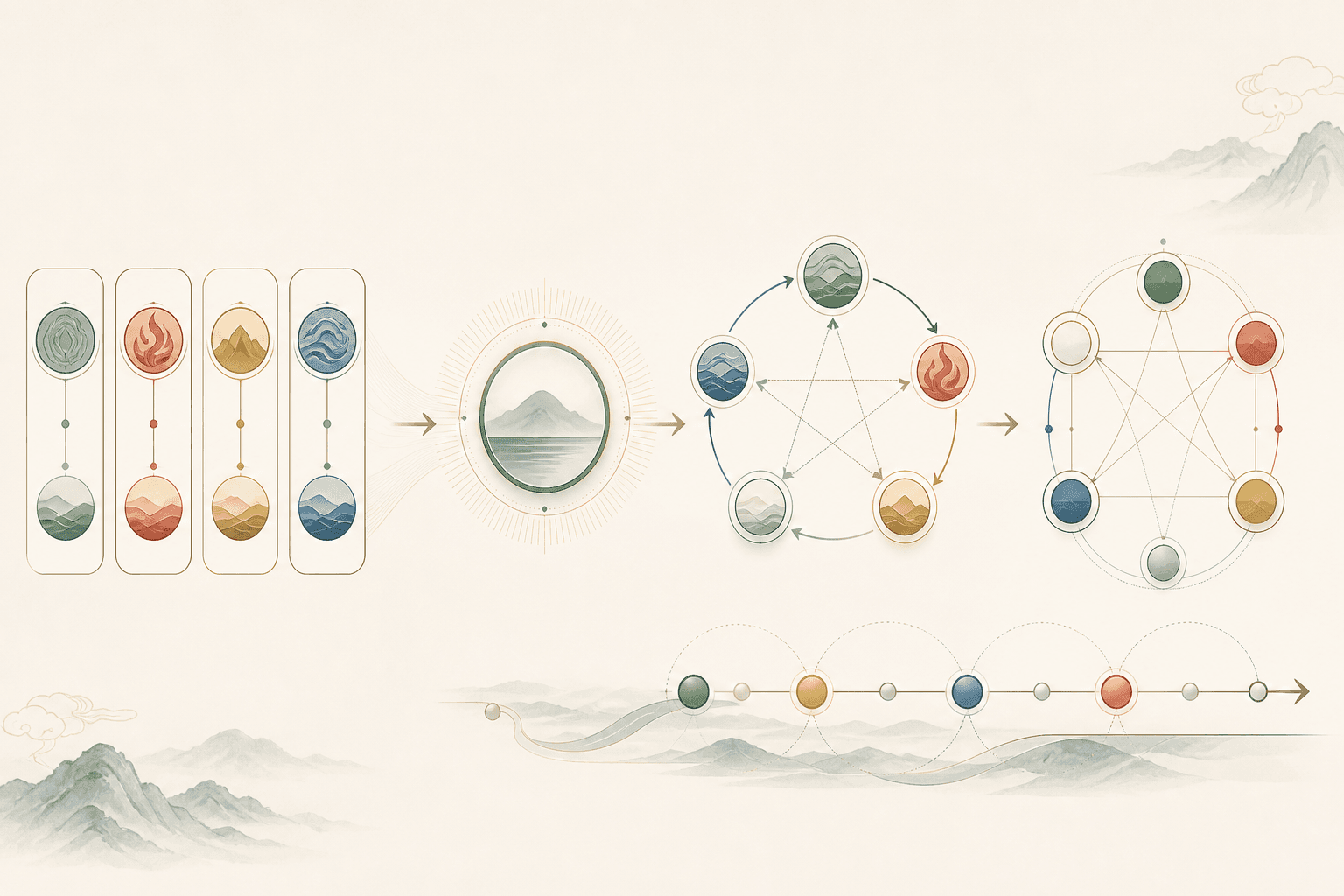 Bazi Basics
How To Read A Bazi Chart
Learn a stable reading order for the Four Pillars, Day Master, month command, Five Elements, Ten Gods, stem-branch relationships, luck cycles, and annual influences.
 Bazi Basics
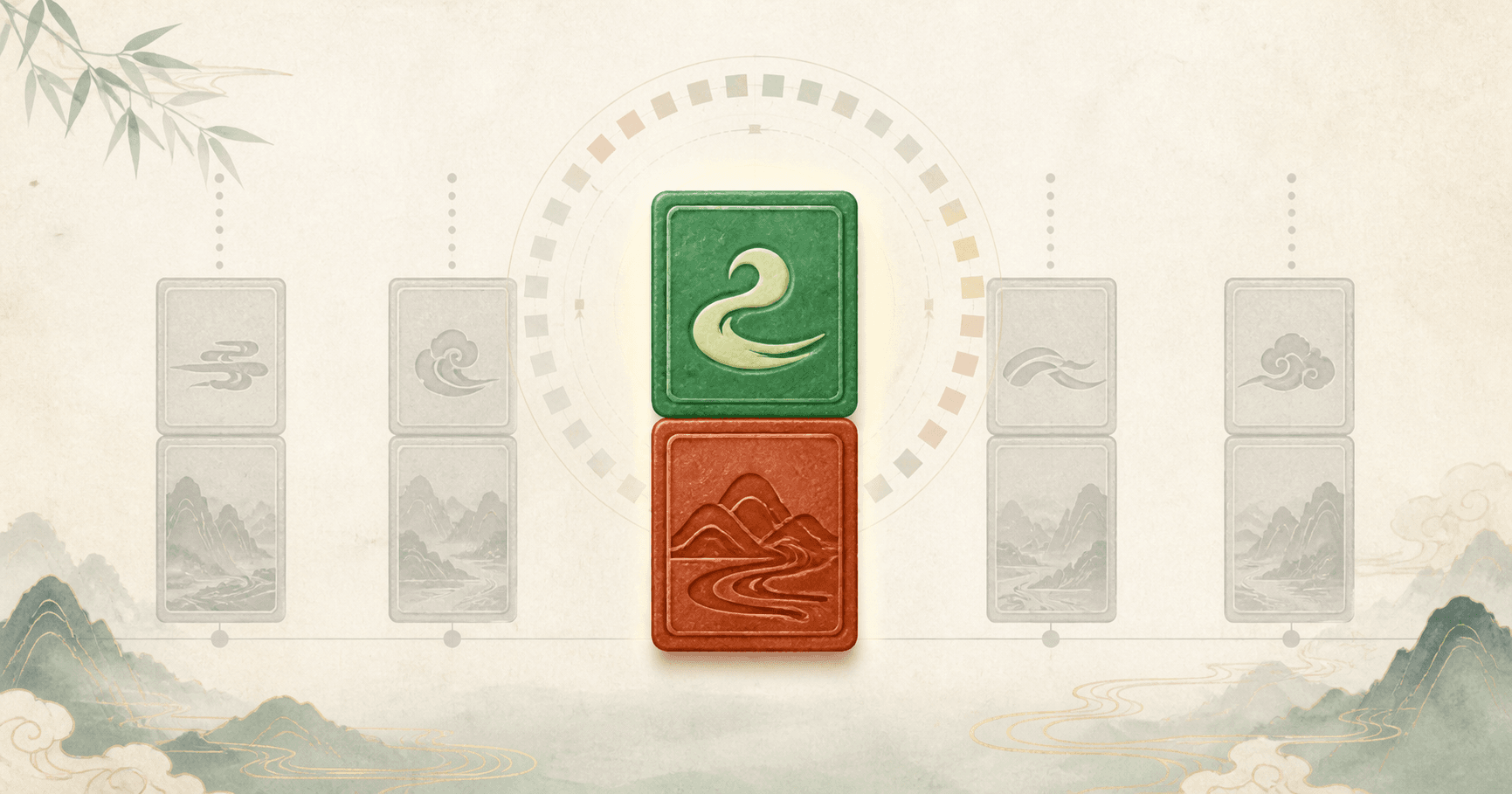
What Is the Day Pillar in Bazi?
The Bazi Day Pillar is the stem-branch pair assigned to the birth date; its stem is the Day Master and its branch is the Day Branch.
 Bazi Basics
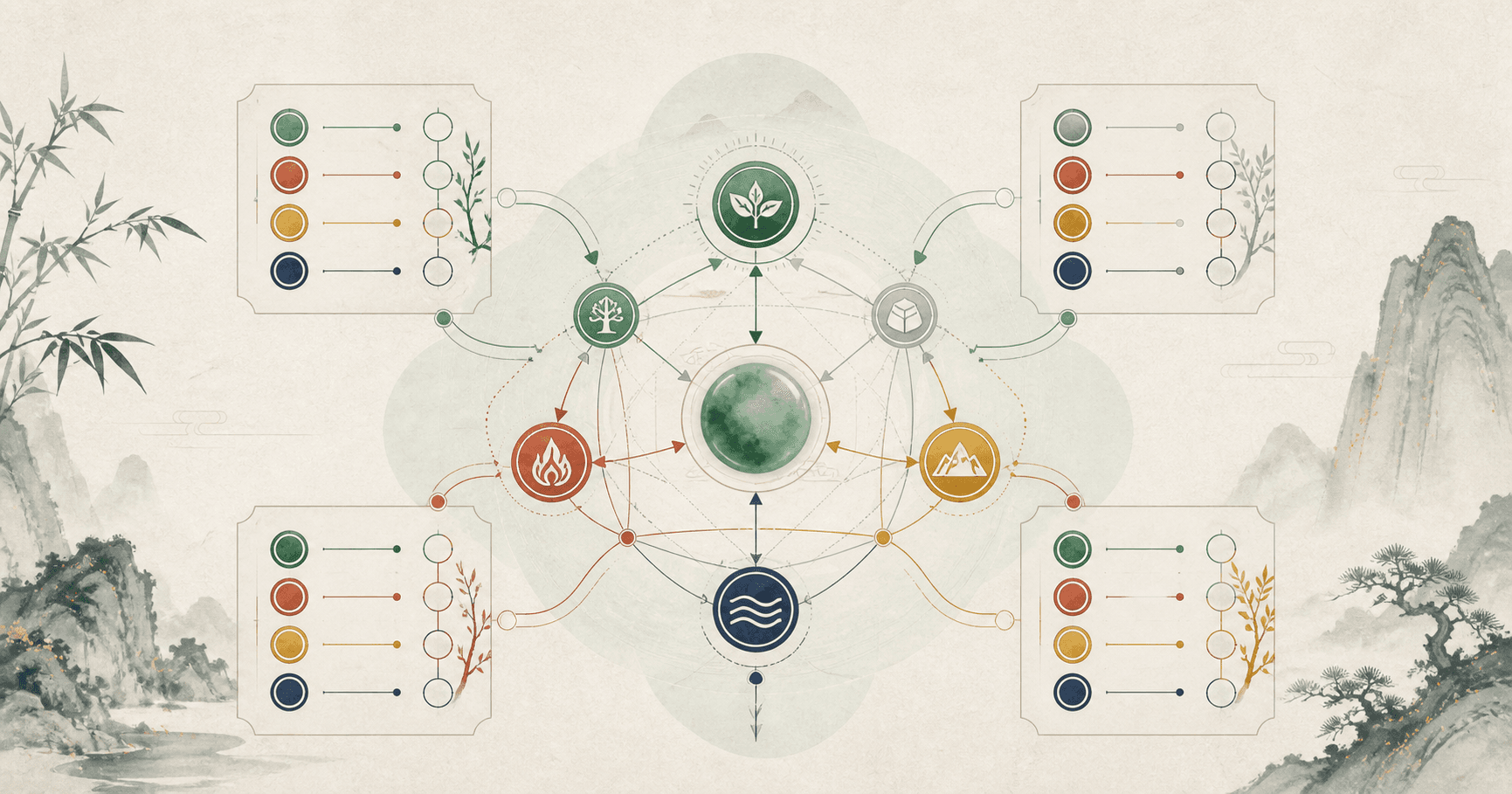
What Is a Bazi Chart Pattern?
A Bazi pattern is a traditional classification of the chart's main structure using the Day Master, Month Command, Ten Gods, elemental strength, and stem-branch relationships.
 Chinese Zodiac
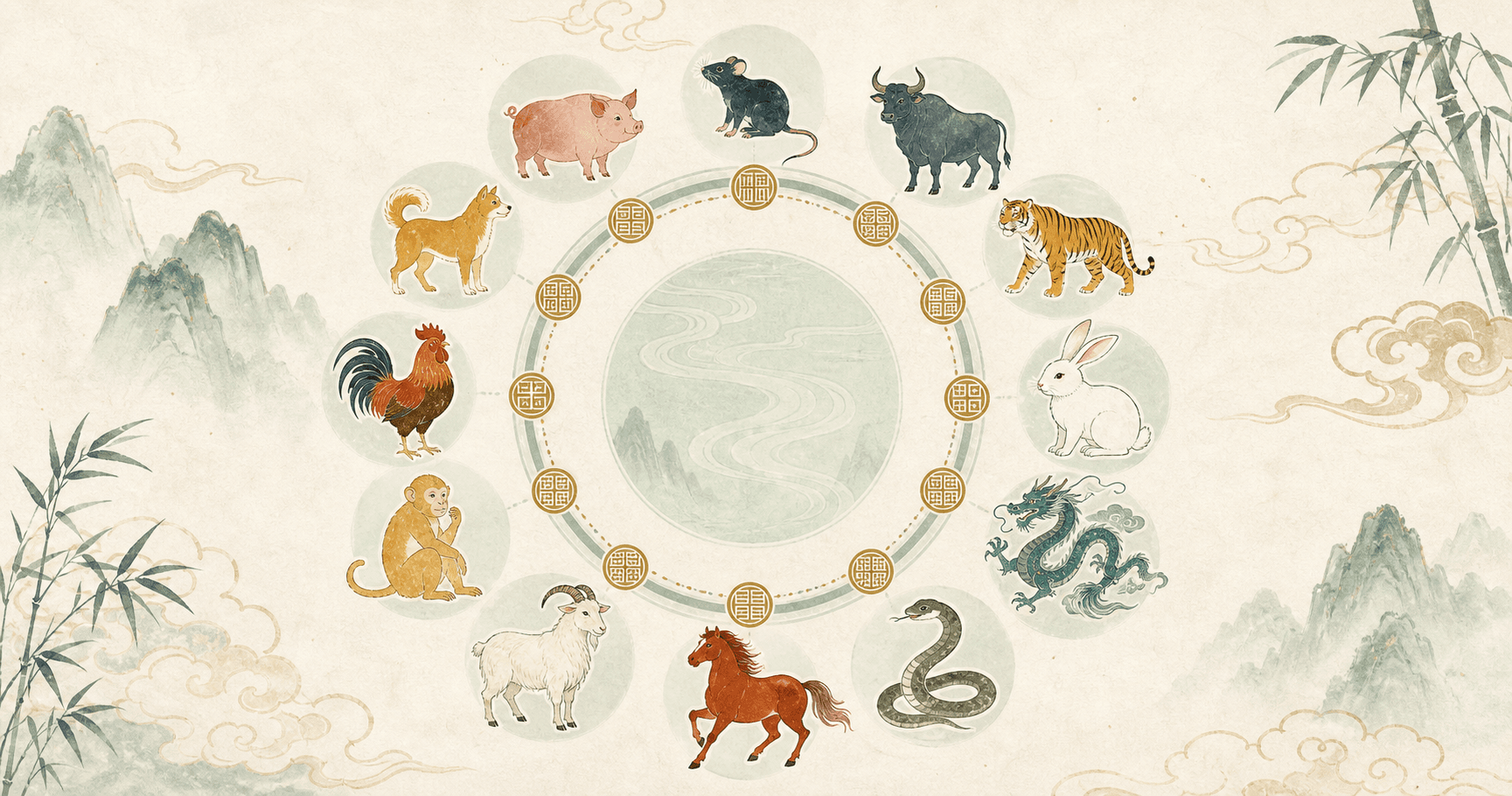
Chinese Zodiac and the Twelve Animals
The Chinese zodiac pairs twelve animals with the twelve Earthly Branches; in Bazi, the zodiac animal mainly represents the Year Branch.
 Fortune Telling Knowledge
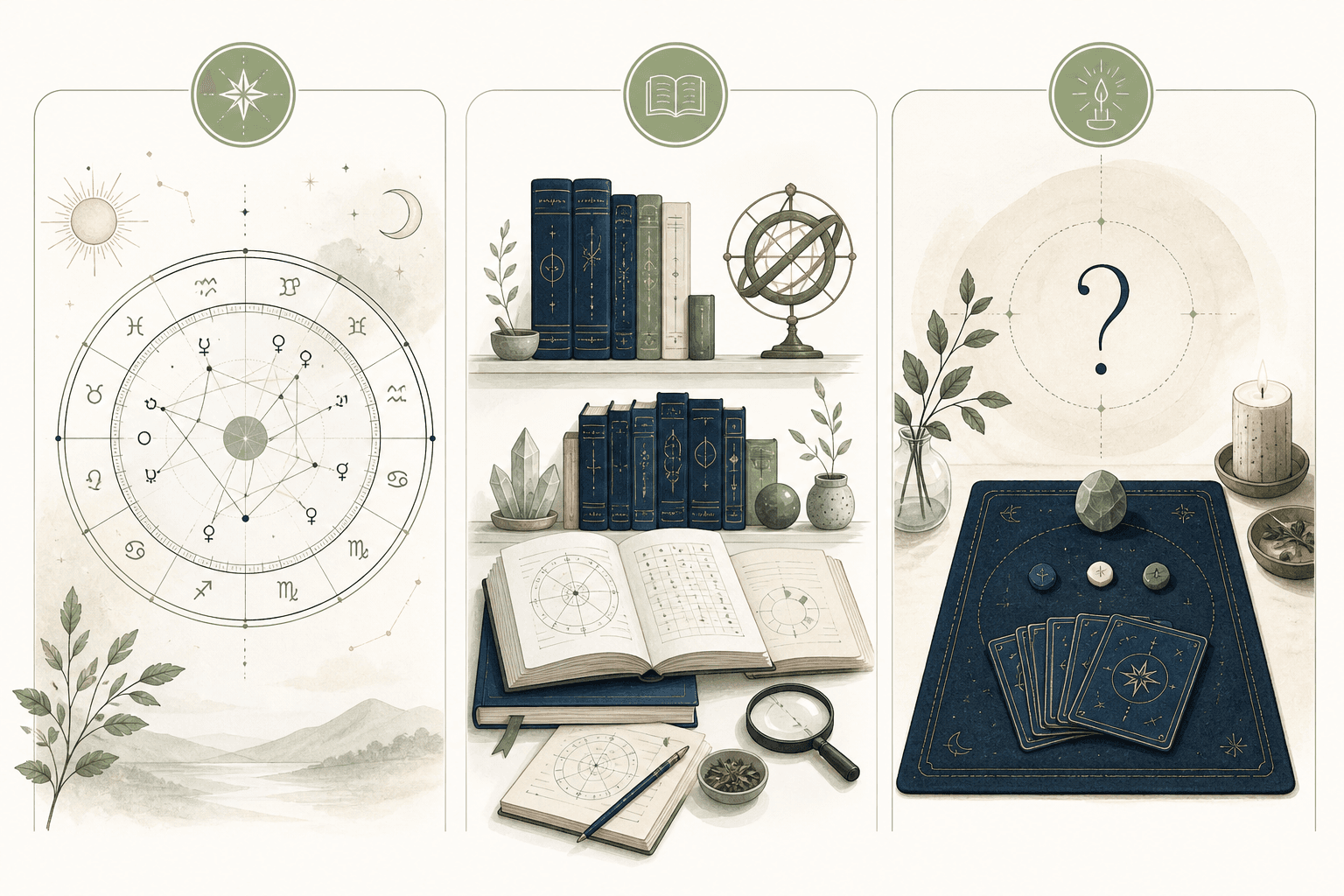
The Difference Between Fortune Telling, Fortune-Telling Systems, and Divination
Distinguish a personal fortune-telling interpretation, the system behind it, and divination for a specific question.
 Names And Naming
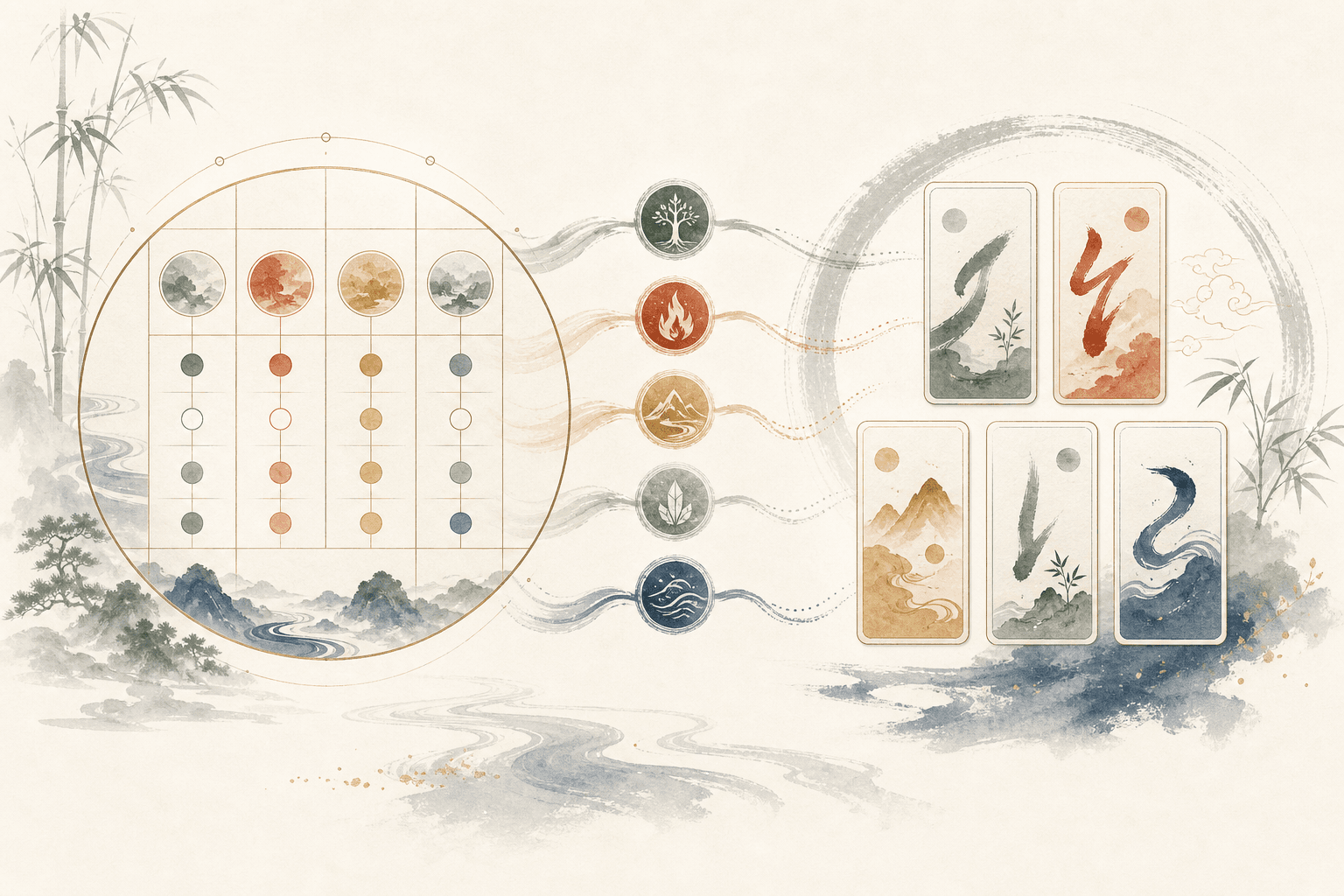
The Relationship Between Names, Naming, and Bazi
Understand how Bazi naming may reference the Five Elements while names remain separate from the original Four Pillars.
 Zi Wei Dou Shu
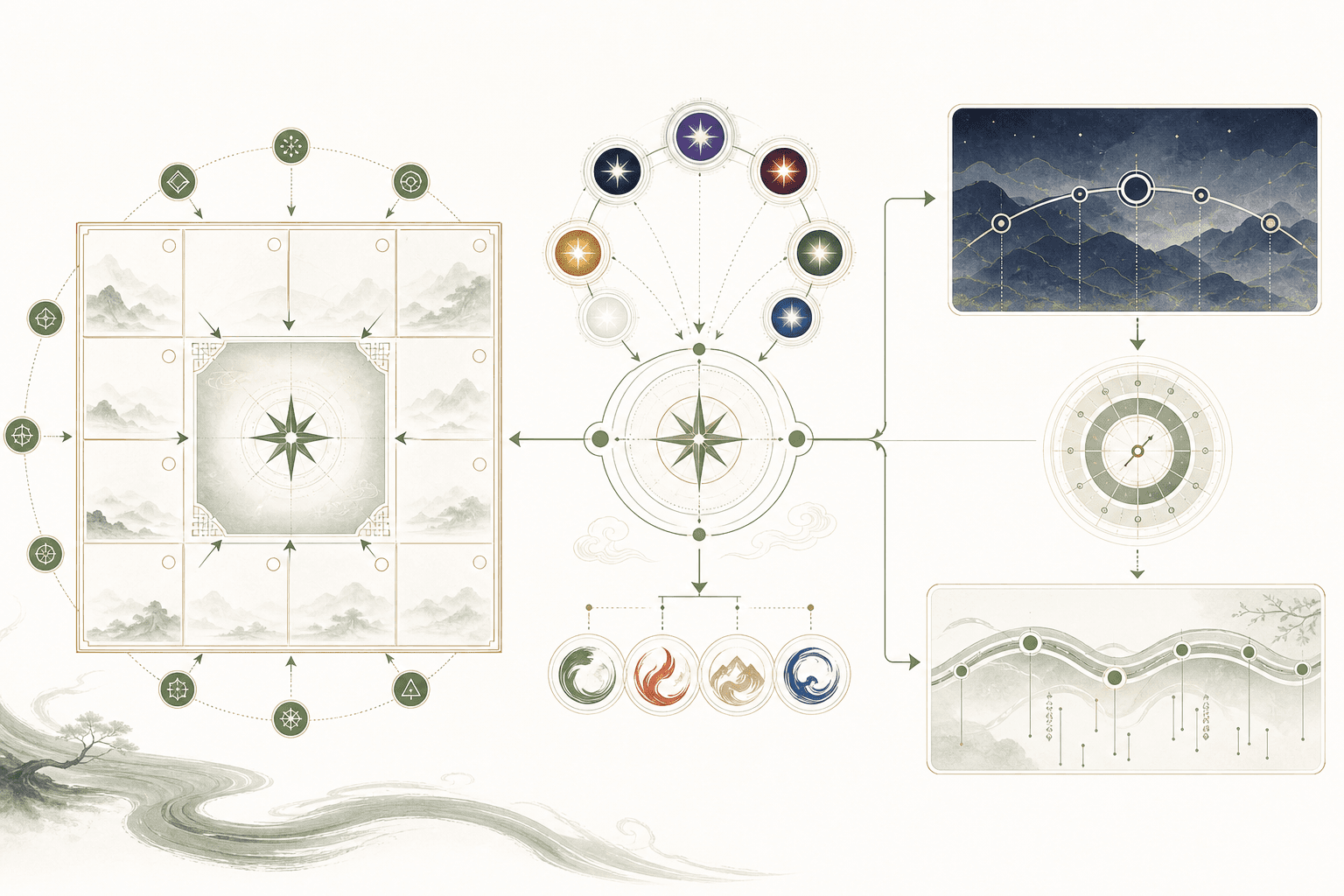
How to Interpret Zi Wei Fortune Telling
Read Zi Wei Dou Shu through the Life Palace, major stars, Twelve Palaces, Four Transformations, major periods, and annual influences.
 Zi Wei Dou Shu
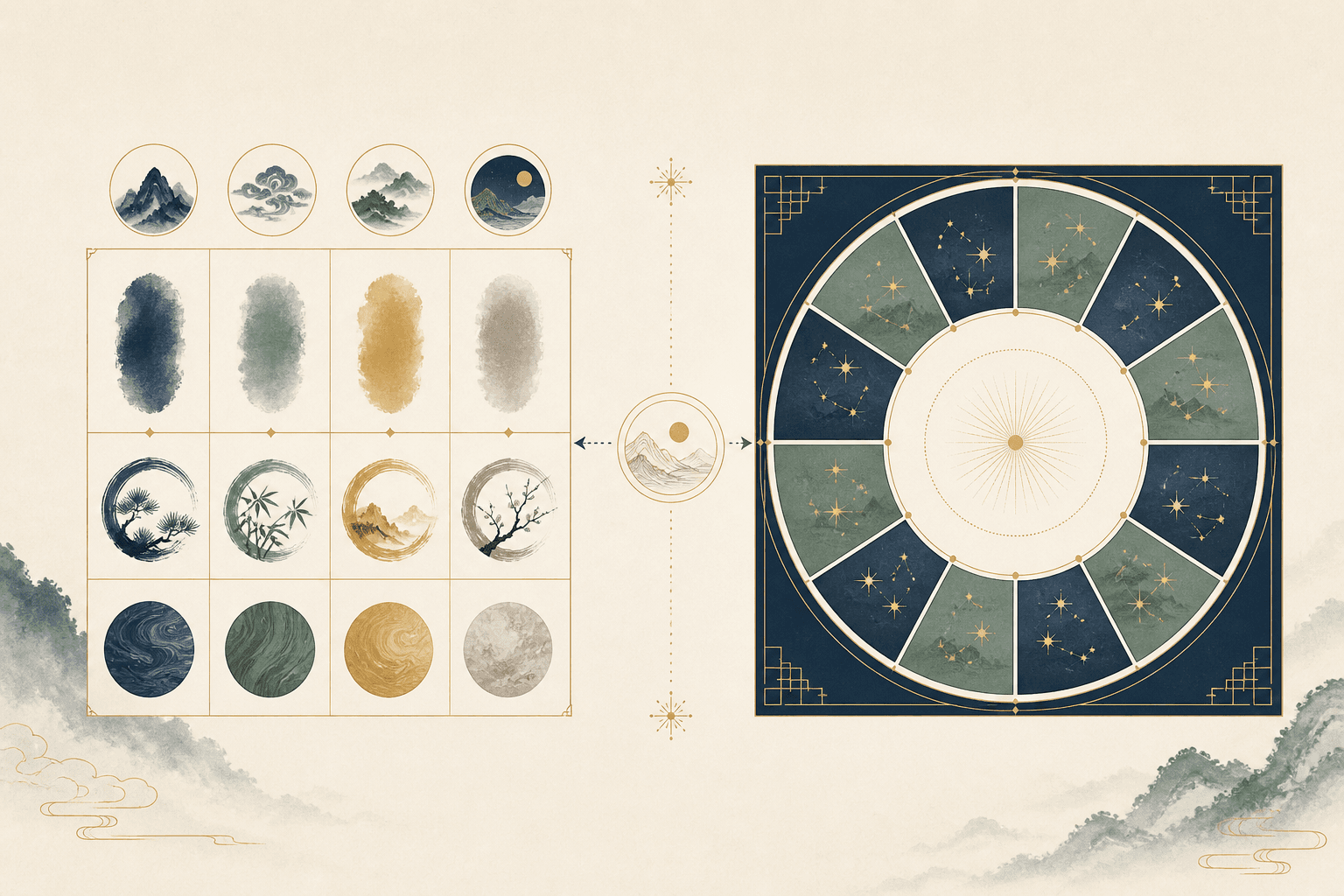
The Difference Between Bazi Chart Calculation and Zi Wei Dou Shu Chart Calculation
Compare Bazi's Four Pillars, Five Elements, and Ten Gods with Zi Wei Dou Shu's Twelve Palaces, stars, and Four Transformations.
 Fortune Telling Knowledge
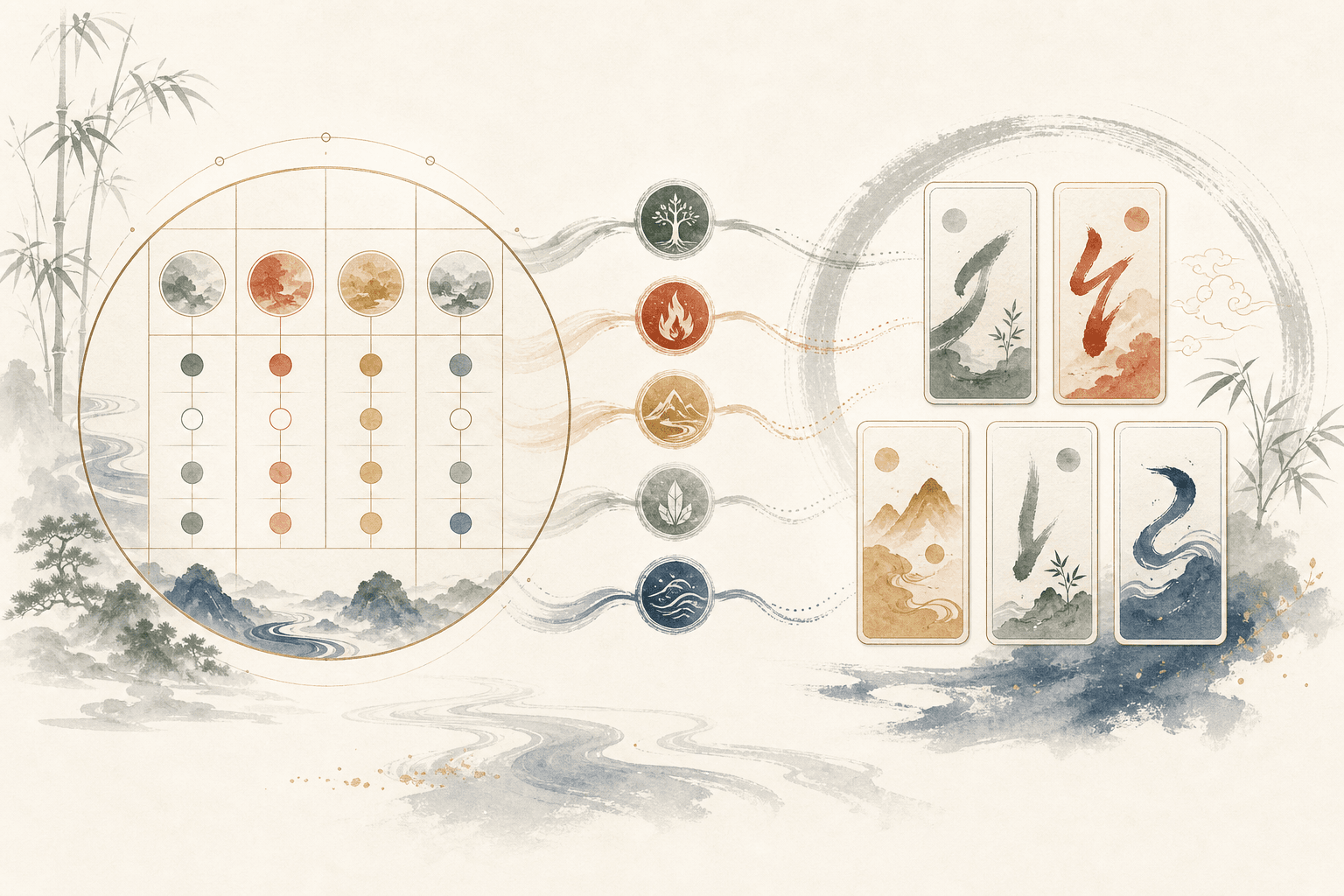
Good Fortune In Chinese Culture
Explore how fu, colors, numbers, animals, and festival customs express wishes for peace, happiness, and prosperity.
 Bazi Basics
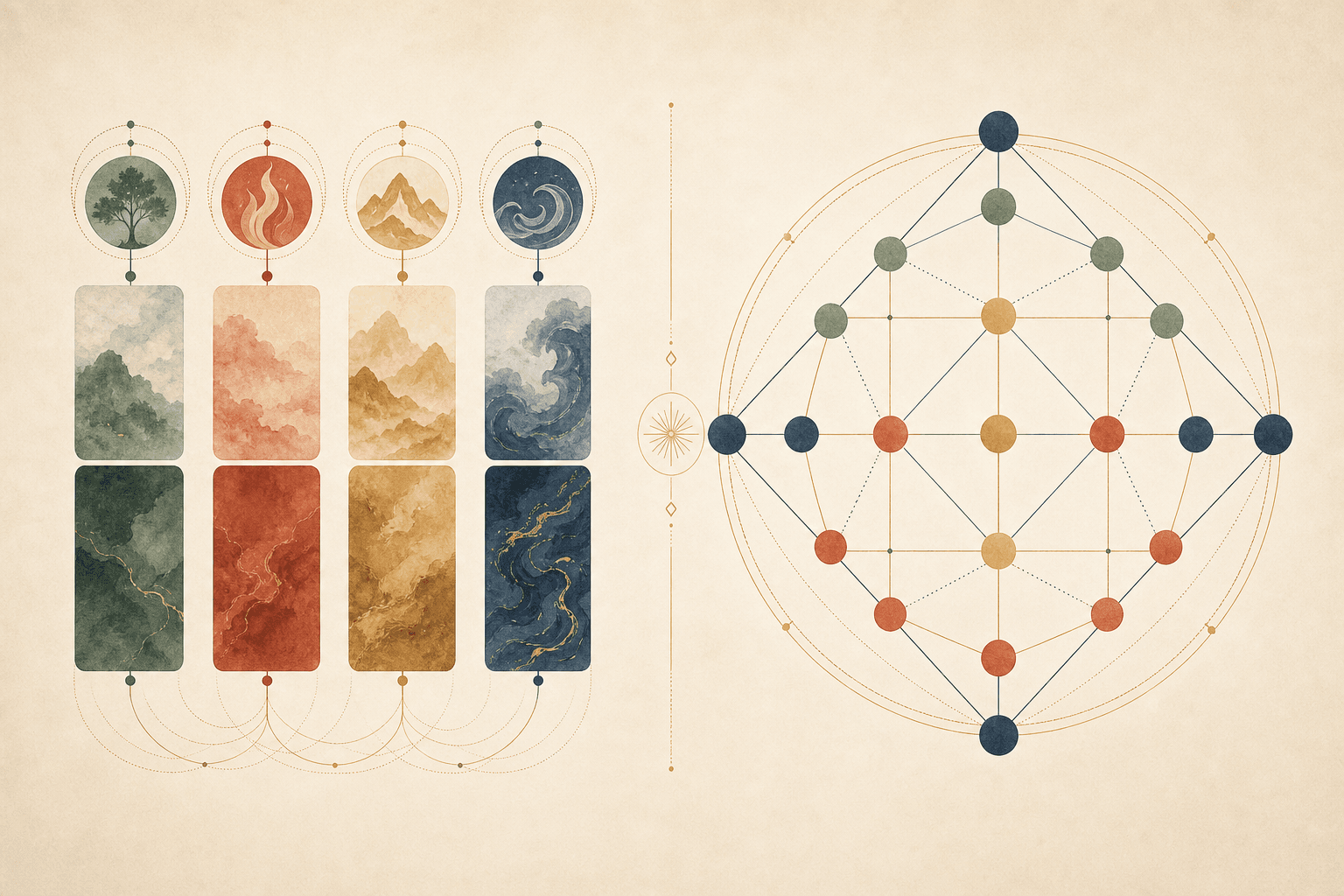
Bazi vs Destiny Matrix
Compare Bazi's Four Pillars and Five Elements with the Destiny Matrix's birth-date numerology and 22 archetypes.