Feng Shui is a Chinese cultural system concerned with living environments, spatial arrangement, and relationships between people and place. It is often discussed in relation to homes, workplaces, building sites, and interiors.
Its focus is not one object in isolation, but the combined effects of direction, light, ventilation, circulation, form, and human experience.
What Does Qi Mean in Feng Shui?
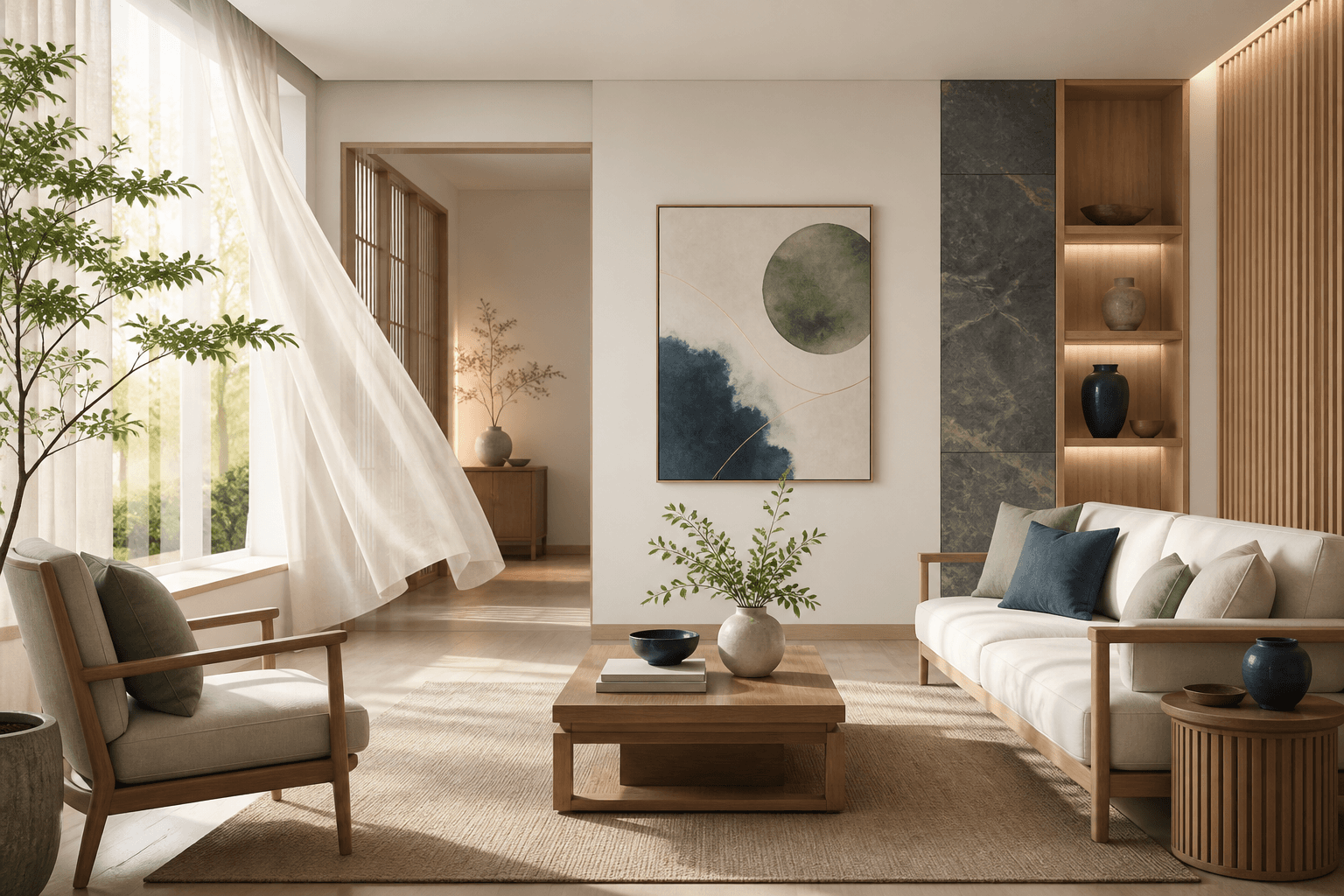
Traditional Feng Shui uses qi to describe movement and condition within an environment. In everyday terms, it can refer to the overall experience of a space: natural light, fresh air, and clear circulation often feel comfortable, while persistent darkness, crowding, or clutter may reduce comfort.
The Role of Yin and Yang
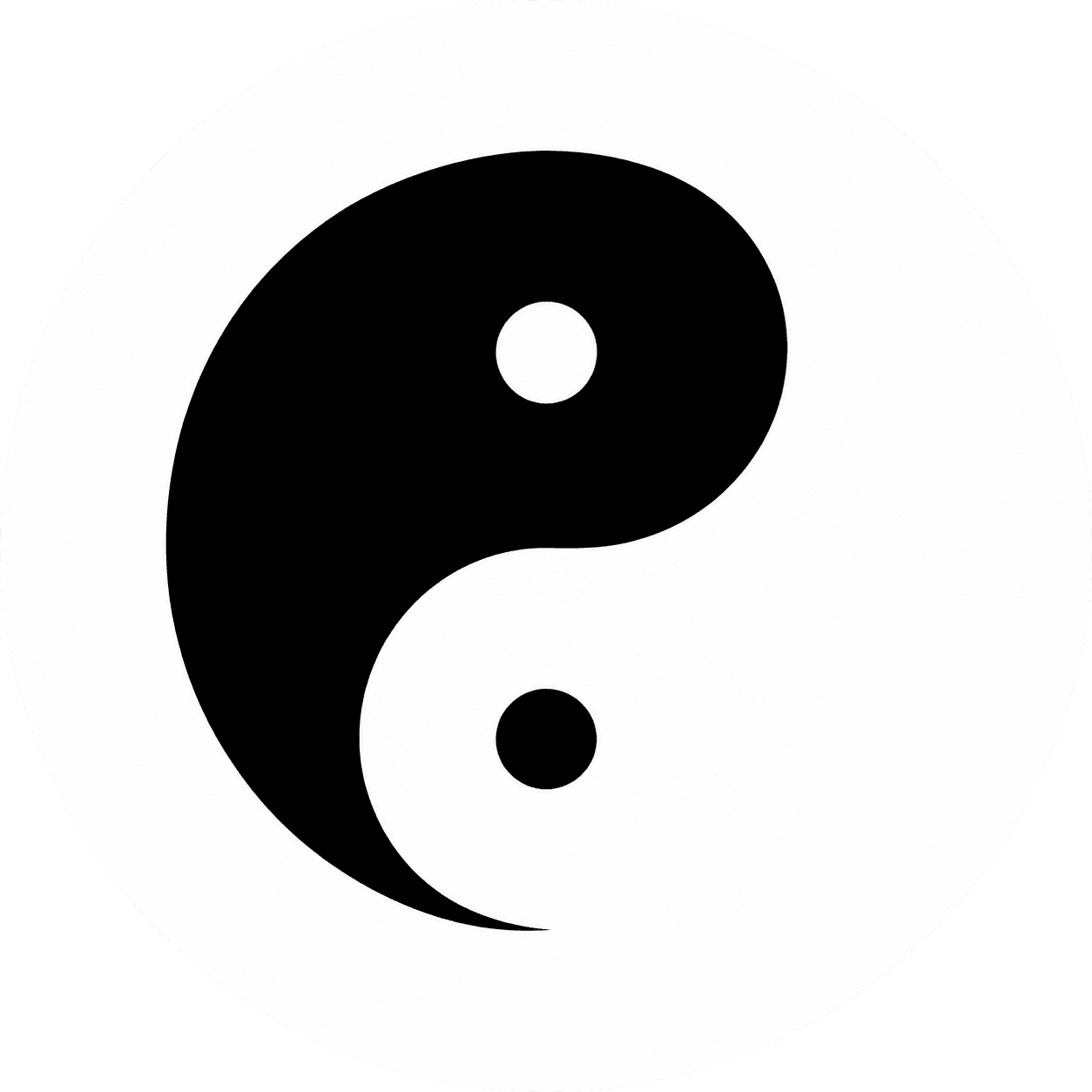
Yin and yang emphasize balance. Bright, noisy, active spaces may be described as more yang; quiet, dim, restful spaces as more yin. A home is not improved by maximizing either quality. Living rooms often benefit from openness and light, while bedrooms need calm, stability, and softer conditions.
The Five Elements in Feng Shui
Feng Shui also uses Wood, Fire, Earth, Metal, and Water to describe colors, materials, directions, and spatial qualities. Traditionally, Wood relates to growth, Fire to light and heat, Earth to stability, Metal to order and consolidation, and Water to flow.
The Five Elements are not a rule to add whatever appears to be missing. Any interpretation still depends on the room's purpose, orientation, and overall layout.
Directions in Feng Shui
Traditional Feng Shui uses the four cardinal and four intermediate directions, sometimes with compass and bagua systems. Schools differ in interpretation, so a claim that one direction always produces wealth is not enough to judge a space.
What Should You Check First in a Home?
For an ordinary home, begin with practical living conditions. These support everyday comfort and overlap with traditional Feng Shui themes of order, circulation, and balance.
- Adequate natural light
- Effective ventilation
- Clear main walkways
- Manageable clutter
- A bedroom suited to rest
- Functional kitchens and bathrooms
Common Feng Shui Misconceptions
Feng Shui is not equivalent to placing a lucky object. Plants, crystals, ornaments, or other items do not automatically create wealth, health, or good fortune, and the position of a door, window, or chair cannot guarantee a harmful event.
A more responsible approach is to use Feng Shui as cultural context and a prompt for improving spatial experience, not as a certain prediction of real-world outcomes.
Summary
Feng Shui is a Chinese cultural system concerned with relationships between people and their environments. Its foundational ideas include qi, yin-yang, the Five Elements, and direction. Beginners can start with light, ventilation, order, circulation, and function rather than complex compass methods.
Its central practical idea is to cultivate a more coordinated, comfortable, and orderly relationship between people and space.